
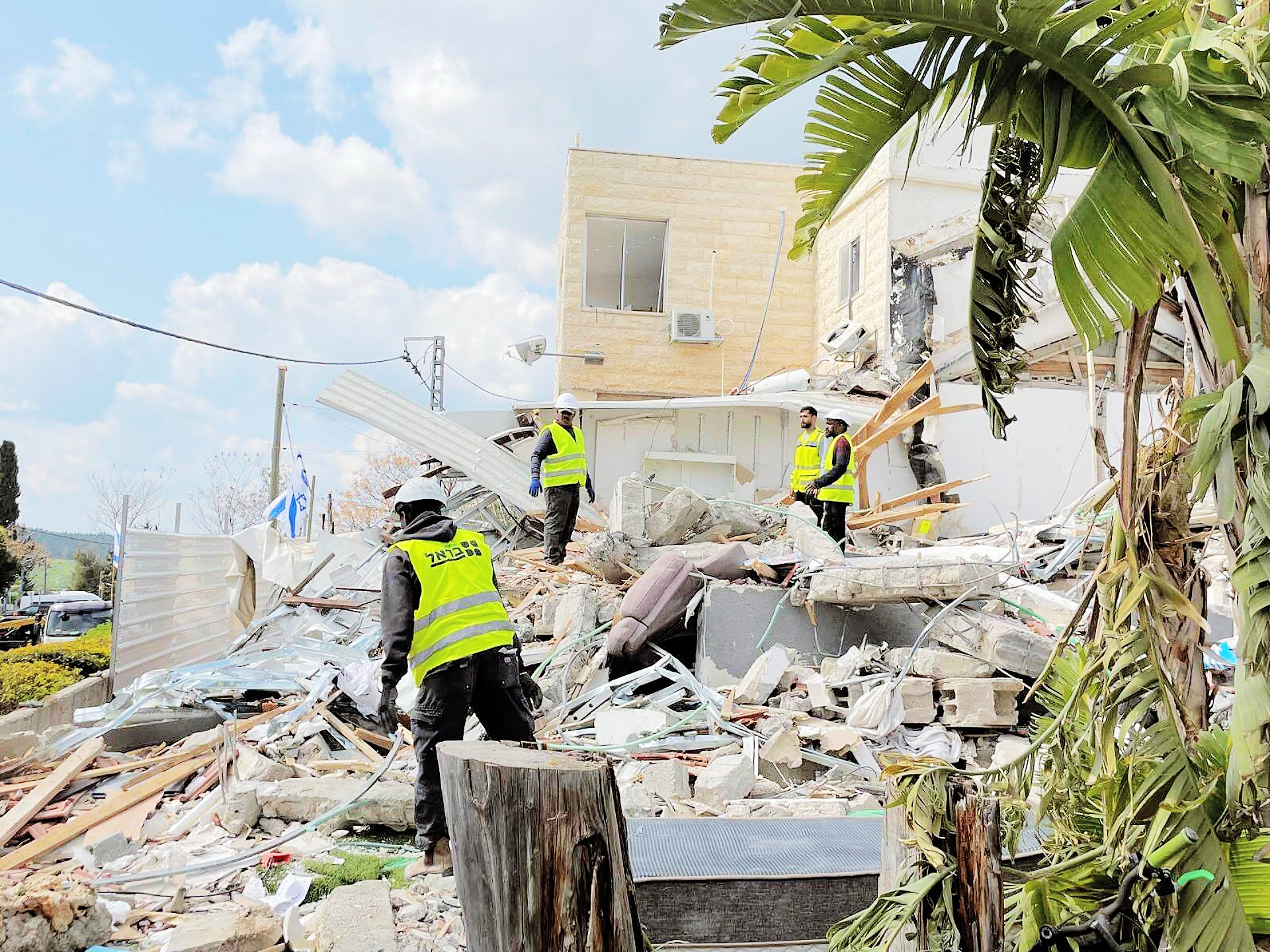
Israeli flags are everywhere.
They are planted in the rubble of levelled houses. Next to a pile of blankets and house supplies which locals brought for their traumatised neighbours. Zip-tied to construction poles that already signal Beit Shemesh is quickly rebuilding. The bright blue-and-white of Israel’s national flag, defiantly flying amid the destruction, offered a sharp contrast to the dust-covered debris here at ground zero of Iran’s deadliest missile strike yet in this six day-old war to topple the radical Islamic regime in Tehran.
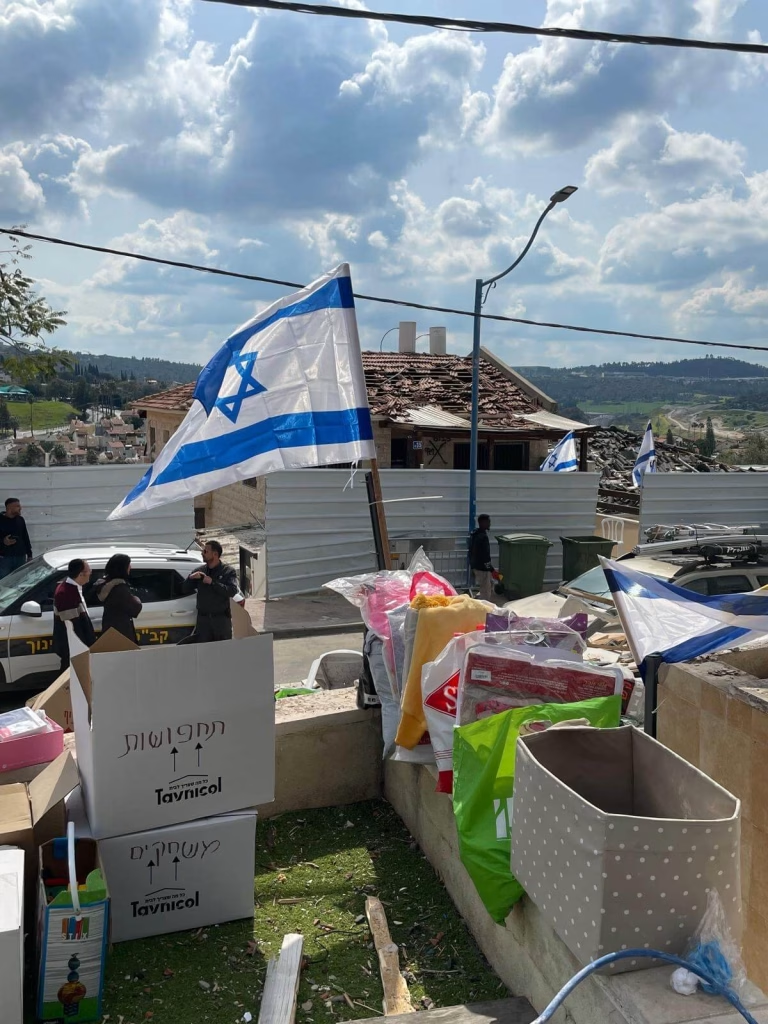
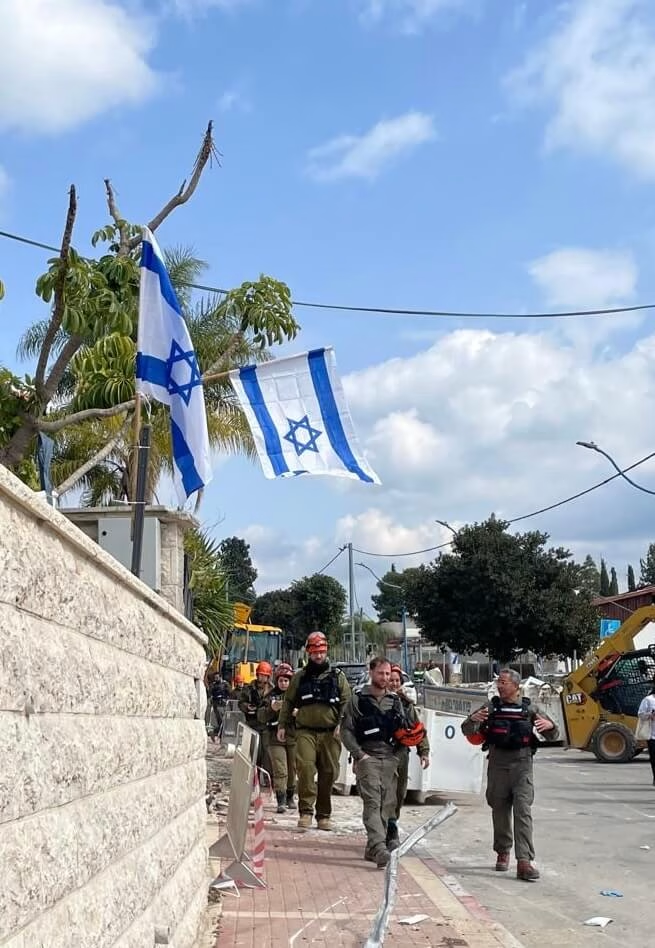
On Thursday, a group of ICEJ staff ventured out from our bomb shelters to pay a solidarity visit to Beit Shemesh, only twenty minutes from Jerusalem. Once on site, we witnessed the aftermath of the Iranian ballistic missile hit that demolished a synagogue and several nearby residential buildings on Sunday, killing 9 people and injuring 40 more.
Near the point of impact, we spoke with *Hannah. Her house, all her family memories, everything she owns, are now a pile of mangled metal and broken concrete which people were digging through to salvage personal items.
We also met the grieving family of blast victim Gabriel Baruch Revach outside their doorstep as they were sitting shiva – the traditional Jewish week of mourning for a lost loved one. Characteristic of Israelis’ extraordinary hospitality and communal care in response to tragedy, we – complete strangers they had just met on the street – were invited into their home, where Gabriel’s family shared their precious son’s story.
Holding back tears, his mom explained how her 16 year-old son was running to the bomb shelter when the sirens sounded but he did not make it in time.
His older brother recalled Gabriel’s spiritual sensitivity and commitment to HaShem.
“We all served in the army, but he wanted to study Torah”, the brother explained. “He was just a special boy like that.”
Gabriel’s loss leaves their family with an unimaginable vacancy and pain.
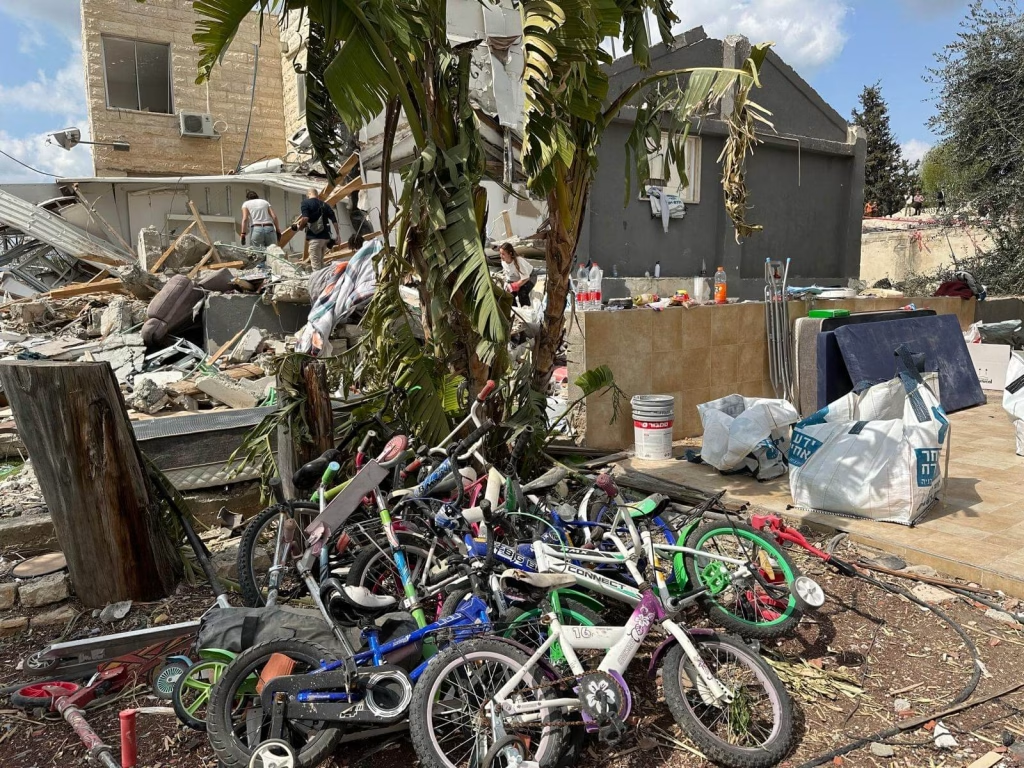
Somehow, amid this immense loss, Beit Shemesh is already starting to recover. Local and foreign volunteers with Machal were helping to sort through and clear the rubble. Others offered support and a helping hand in their time of need. IDF soldiers were on the scene recording the heart-breaking story of Beit Shemesh for the world to hear. And most importantly, neighbours showed up for each other. Nobody is alone in Israel. Countless hands were held, bottles of water were passed, blankets and hugs were shared as people continued the work of rebuilding.
Hatikvah – ‘The Hope’ – is not just Israel’s national anthem. It is a national identity, and it lives in the hearts of the sons and daughters of Israel.
To help Israelis recover from the harsh impact of this prolonged war with Iran and its regional proxy militias, please give to our Israel Emergency Aid Fund.